Food Trends 2026: Practical Insights for Caterers
At Birchall Foodservice, we work closely with hospitality operators every day, so we understand the challenges you’re facing on the ground. Through our partnership with Lumina Intelligence as part of the Country Range Group, we’ve pulled together six key food and drink trends that caterers can be aware of and take advantage of in 2026.
All of the insights in this article are taken from the Lumina Intelligence Menu & Food Trends Report 2025. While the report was published at the end of 2025, it offers clear, forward-looking insight into the trends that will shape menus, margins and guest expectations in the year ahead.
And remember, we’re here to support you beyond the trends. From profitability workshops and menu and print design, to waste oil collection, card payment machines and access to a development chef, Birchall Foodservice is here to help you make 2026 a strong one. Get in touch today if you want to learn more about how we can support you and your hospitality business.
1. Menu engineering is now the main profit lever
When it comes to menu profitability, there’s very little room left to push headline prices. Most operators have already done that, and guests are starting to push back. The price of the same dishes has continued to rise across the UK food and drink market, up 3.5% in restaurants and 4.2% in pubs, but customers are becoming far more price-sensitive. Simply charging more isn’t sustainable.
Instead, operators are protecting margins through smarter menu design. Lower-priced dishes are being held steady, or even reduced, to keep menus feeling accessible, particularly in pubs. At the other end of the menu, higher-priced mains have increased sharply, helping anchor value and make mid-range dishes feel like a safer choice.
Where the real gains are coming from is everything around the main dish. Sides, extras, bundles and add-ons are doing the heavy lifting, driving incremental spend without putting customers off. Low-cost plate builders like bread, fries and filler veg (such as onion, cabbage and lettuce), are boosting portion coverage, freshness cues and value perception at minimal cost.
At Birchall Foodservice, we support our customers with menu design and print, helping make sure menus work as hard as possible from both a commercial and customer point of view. If you’re reviewing your menu for 2026, get in touch to find out more.
2. Value has changed; it’s no longer just about price
Guests are cautious, but they’re not cutting back across the board. They’re just being more selective.
Value now means more than a low price. Quality, freshness, health, provenance and experience all matter. According to Lumina Intelligence, 63% of consumers would pay more for fresh or seasonal ingredients, rising to 72% for high-quality ones. Freshness remains the strongest quality cue, and one of the easiest signals for operators to communicate.
The challenge is balance. Menus need to feel affordable while clearly signalling quality, without losing the indulgence people still want when they eat out.
3. Health, but make it realistic
Health hasn’t disappeared from the conversation. It’s just become more realistic.
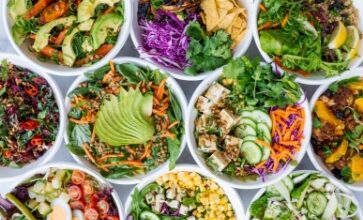
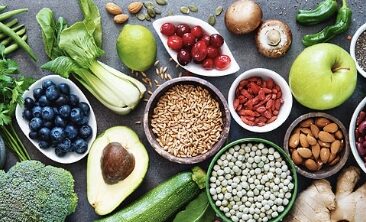
Health-led consumers now make up nearly half the market, but the growth is in whole foods, fibre, gut health and natural protein. Ultra-processed substitutes are losing momentum, while simple, nutrient-dense dishes are gaining ground.
GLP-1 medications (Ozempic, Mounjaro etc.) are also influencing behaviour. Smaller portions, more considered choices and less snacking are becoming the norm. Strict veganism is giving way to flexible eating, with veg-first dishes outperforming meat alternatives. It’s less about cutting things out and more about getting the balance right.
4. Comfort, indulgence and global flavour win
People want excitement, but they want it wrapped in familiarity.
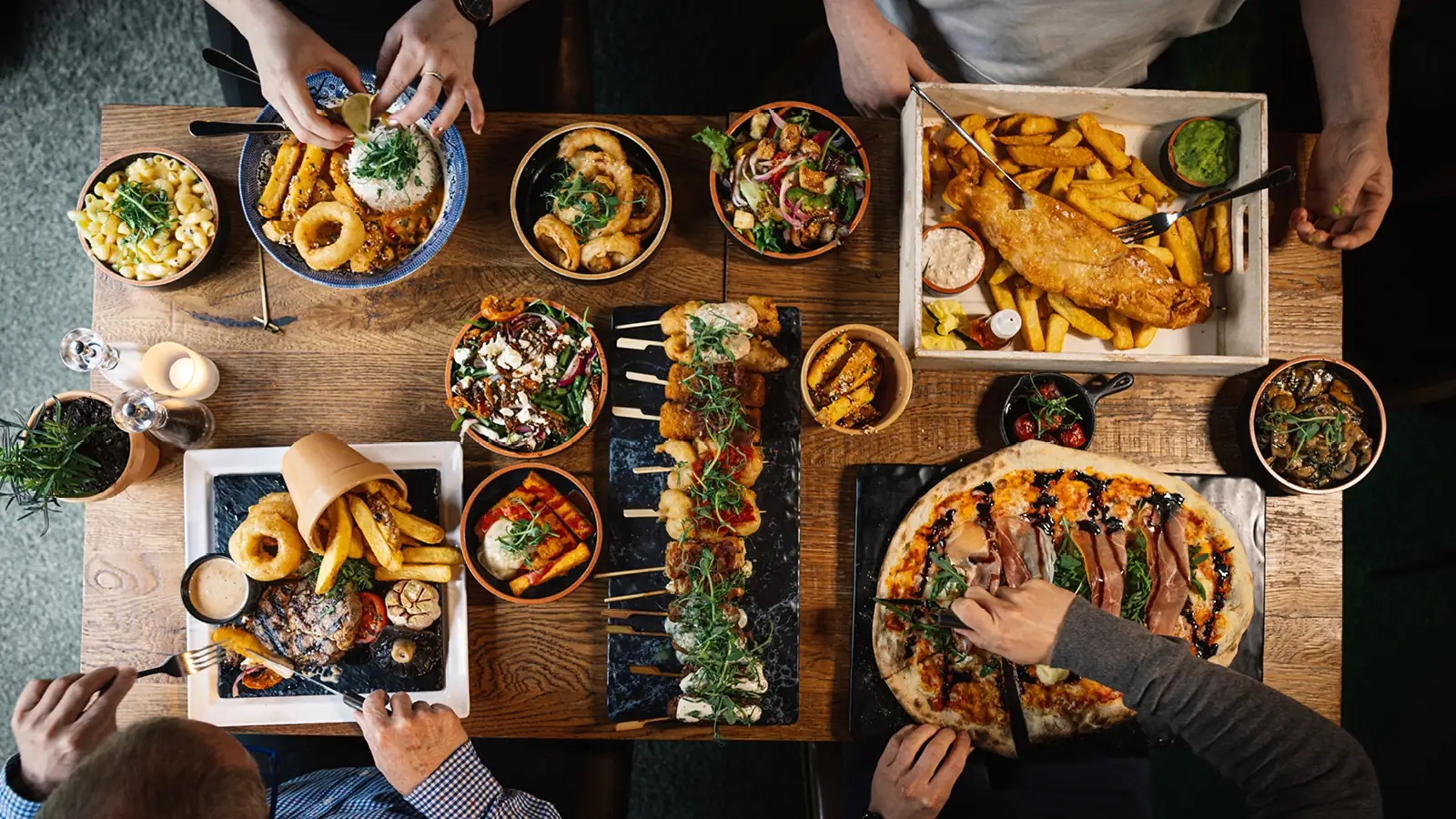
That’s why pizzas, burgers and bowls continue to dominate hospitality food trends. They’re versatile, customisable and margin-friendly. Global flavours are layered onto these safe formats, with Korean, Japanese, Indian, Mexican, Cajun and American BBQ influences leading the way.
Indulgence still plays a big role. Smashed burgers, double patties, loaded fries and mac & cheese deliver generosity without blowing food costs. Flavour-wise, “swicy” combinations, pickles, fermentation and umami are adding interest without overcomplicating menus.
5. Drinks are a major growth opportunity
This is where operators can really stand out.
Traditional soft drinks are losing share, while coffee, tea and functional drinks continue to grow. Matcha, chai, hojicha and speciality teas are becoming everyday choices, alongside layered, dessert-style drinks that feel premium and indulgent.
Low and no alcohol is also moving fast, with alcohol-free mixology adding theatre and choice. Drinks are increasingly experiential and Instagrammable, helping drive spend and dwell time without touching food prices.
6. Experiences matter more than ever
Eating out is being reframed as a treat, a social moment, or a bit of escapism.
We’re seeing growth in late-night dining, wellness brunches, soft clubbing and alcohol-free socialising. Sharing plates and experiential menus are turning meals into something more interactive.
Millennials and Gen Z, in particular, value novelty, atmosphere and connection. Successful operators are blending food, drink, wellness and entertainment into single occasions, giving guests more reasons to stay longer and spend more.
What else stood out from the 2025 food trends report?
-
Menus are getting bigger again
After years of cutting back, both restaurant and pub menus have expanded — with pubs and bars seeing a +30% increase in average dish count since 2019, driven mainly by mains.
-
Pizza and burgers are gaining share at the expense of chicken
Chain restaurants added an average of 16 new mains for Spring/Summer 2025, with pizzas and burgers outperforming chicken on both popularity and profit.
-
Price endings are changing how value is signalled
Pubs and bars are moving away from £#.99 pricing, using bundles and upgrades instead. Restaurants are doing the opposite, leaning into £#.99 endings to keep menus feeling affordable.
-
Clean labels are becoming a mainstream expectation
Concern around ultra-processed foods has pushed recognisable ingredients into the spotlight, with wholefoods, veg-forward dishes and minimal ingredient lists performing strongly.
-
Japanese flavours are firmly mainstream
Matcha, miso and Japanese sweet breads have moved beyond trend status, driven by viral moments and familiarity through retail and quick service restaurants.
-
Customisation drives spend and loyalty
Brands offering spice levels, dips and indulgent add-ons are seeing higher engagement and incremental spend, particularly in fried chicken and fast-casual formats.
-
Functional drinks are shifting beyond gut health
The focus is moving towards cognitive health and mindfulness, with drinks featuring ingredients like mushrooms, omega-3 and adaptogens growing fast.
-
Premium ready-to-drink is no longer niche
High-quality canned coffees, cocktails and high-ABV RTDs are now staples, using flavour, design and novelty to justify higher price points.
If you’d like to know more about Birchall Foodservice, get in touch today, or browse our range on OrderMate.